38. Appendix B
38.1. Specimen Drawings
Gleeble systems are capable of testing a wide variety of material compositions and specimen geometries. Inherent limitations of the system, such as distance between the jaw or anvil faces, the maximum or minimum stroke speed, test temperature, and force limitations for the individual system must be considered when selecting a specific specimen geometry.
The target temperature of a test will also impact the size of a specimen that can safely be tested with a Gleeble system. For example, when considering a standard uniaxial compression specimen, it is possible for a soft material such as aluminum or copper to be tested at ambient temperature. Harder materials, such as steel or titanium alloys, are expected to be tested at elevated temperatures.
38.1.1. Round Bar Specimens
Round bar specimens can be used for tension, compression, or thermal-based tests.
Specimens for Gleeble 3500 and 3800 Systems
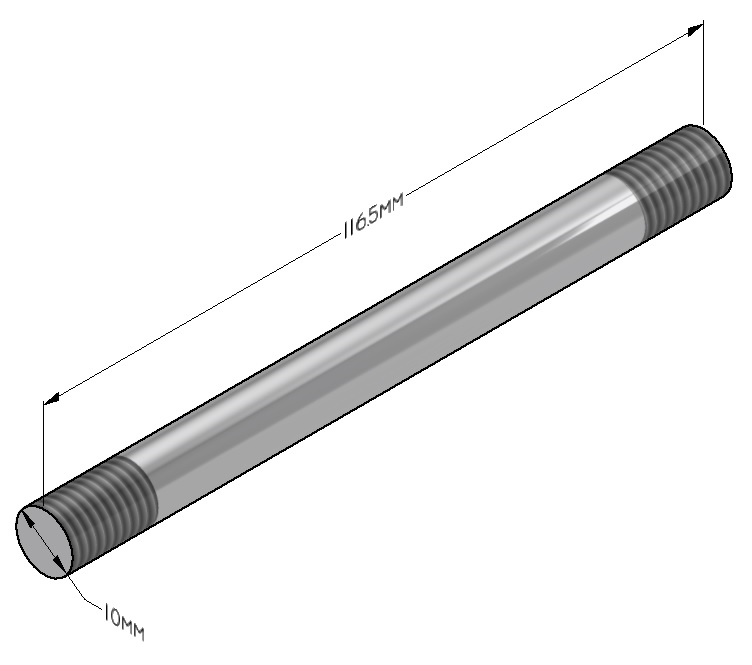
Fig. 38.3 Round Bar Specimen - SMR111.
Follow the link below to download a mechanical drawing for the most commonly used round bar specimens for a Gleeble 3500 or 3800 system.
Gleeble 3500 and 3800 Round Bars.
Specimens for 500 Series Systems
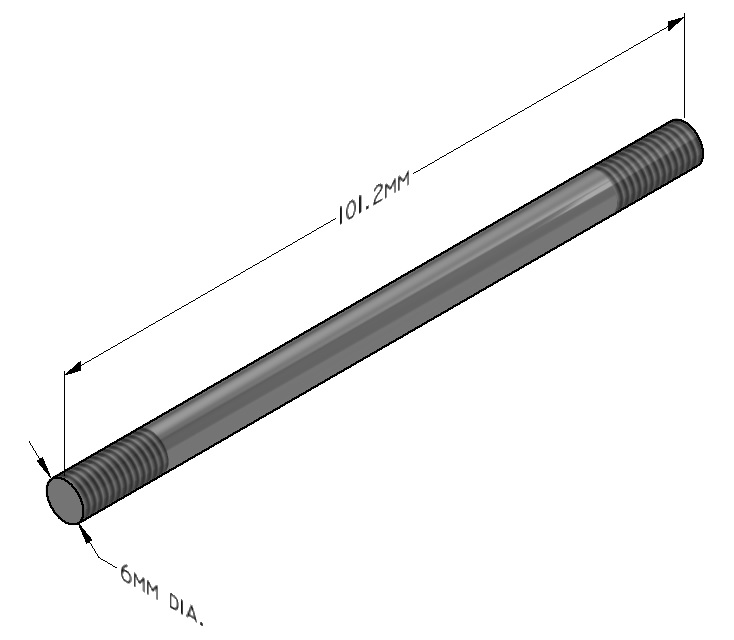
Fig. 38.6 500 Series Round Bar Specimen - SMR115.
Follow the link below to download a mechanical drawing for the most commonly used round bar specimens for a 500 Series system.
38.1.2. Compression Specimens
Compression specimens are used for Uniaxial Compression Studies and Plane Strain Studies . These specimens can be used in any Gleeble system rated for compression testing.
Follow the link below to download a mechanical drawing for the most commonly used uniaxial compression and plane strain compression specimens.
Uniaxial Compression Specimens
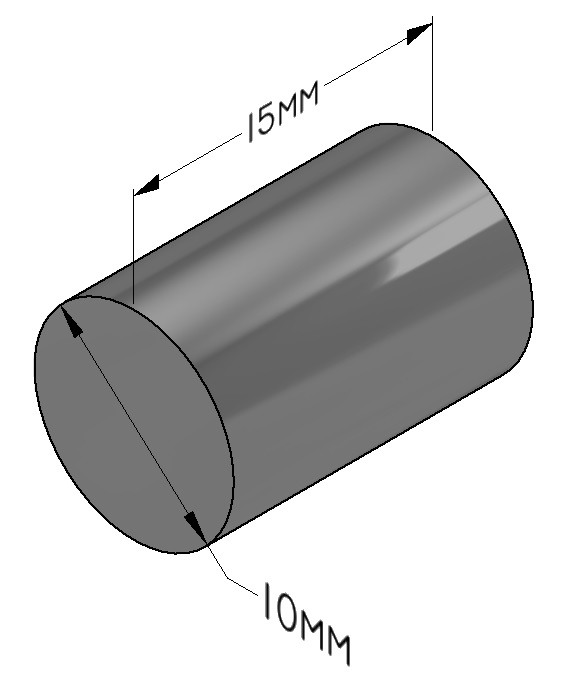
Fig. 38.11 Uniaxial Compression Specimen - SMC203.
Uniaxial Compression Specimens.
Plane Strain Compression Specimens
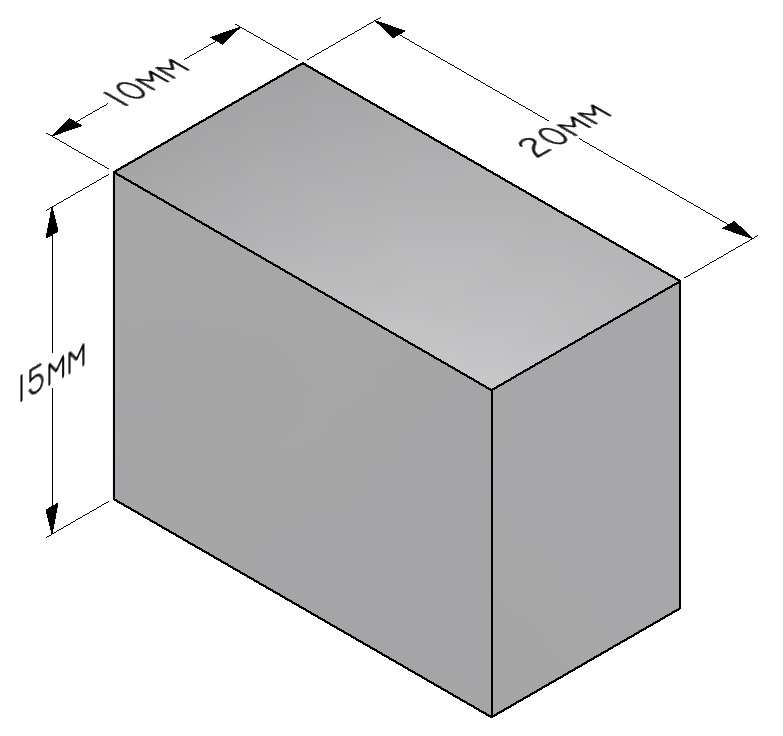
Fig. 38.12 Plane Strain Compression Specimen - SMC001.
38.1.3. Square Specimens
Square specimens can be used for all thermal cycle testing, including HAZ studies.
Square Specimens for All Systems
A drawing of a square bar specimen, SMS006 is provided as an example. For other specimen geometries, or assistance in identifying the correct specimen geometry, please contact a Service Engineer.
Follow the link below to download a mechanical drawing for the most commonly used square bar specimen.
38.1.4. Flat Specimens
Flat specimens are used in tension and thermal-based studies.
Flat Specimens for All Gleeble Systems
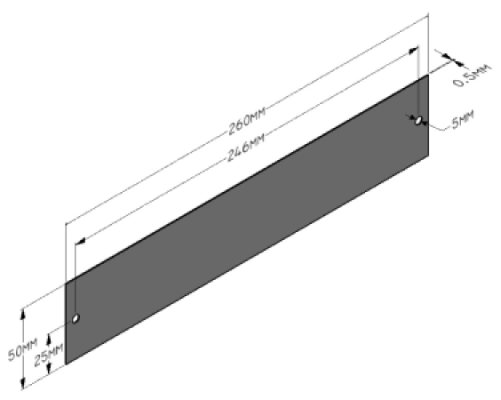
Fig. 38.16 Flat Specimen - SMF109.
Follow the link below to download a mechanical drawing for the most commonly used flat specimens.
38.1.5. Hot Torsion Specimens
A drawing of the Hot Torsion specimen SMT001 is provided as an example. For other specimen geometries or assistance, in identifying the correct specimen geometry please, contact a Service Engineer.
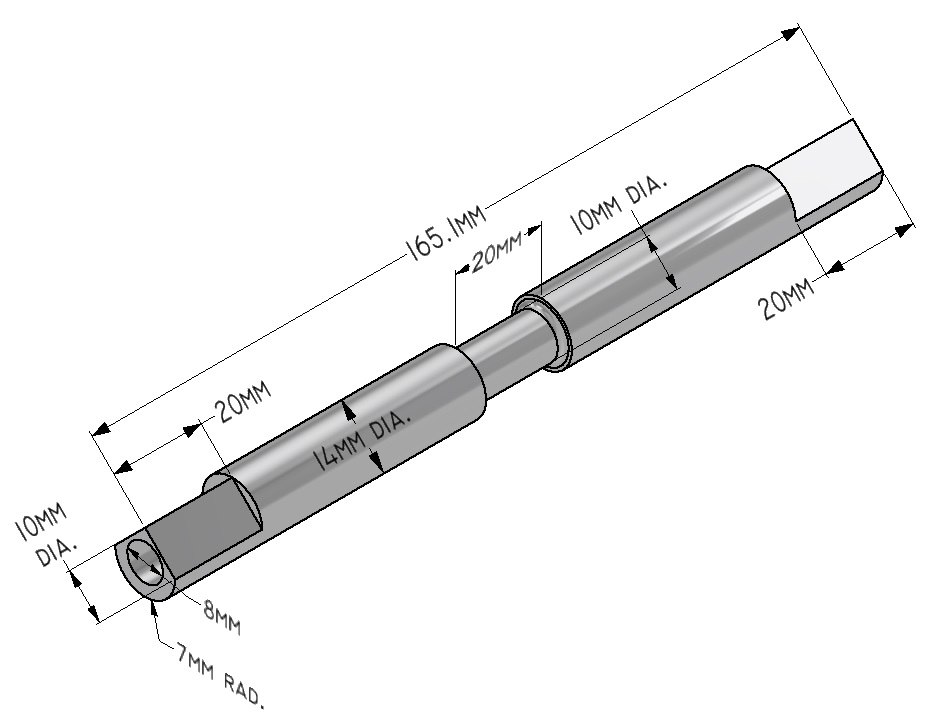
Fig. 38.19 Hot Torsion Specimen - SMT001.
Follow the link below to download a mechanical drawing for the most commonly used Hot Torsion specimen.
38.1.6. MAXStrain Specimens
A drawing of the MAXStrain specimen SMC408 is provided as an example. For other specimen geometries or assistance, in identifying the correct specimen geometry please, contact a Service Engineer.
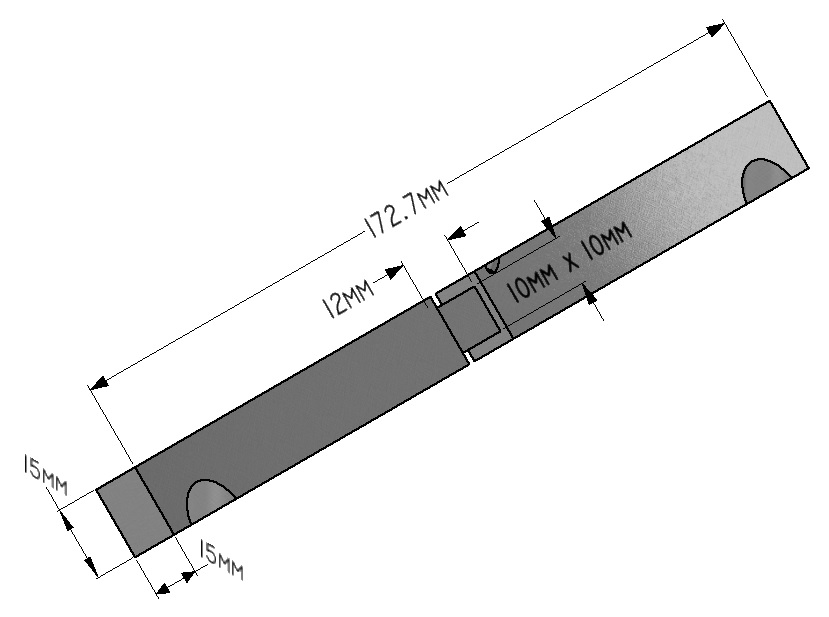
Fig. 38.22 MAXStrain Specimen - SMC408.
Follow the link below to download a mechanical drawing for the most commonly used MAXStrain specimen.